
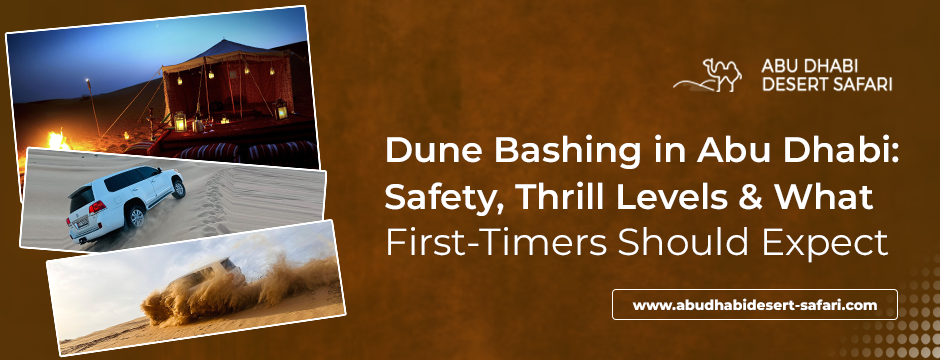
For many travelers visiting the UAE, dune bashing tops the must-do list. Yet one common concern keeps surfacing among first-timers: Is dune bashing safe? The idea of a 4×4 vehicle climbing steep dunes and sliding down golden slopes can feel both thrilling and intimidating.
This uncertainty often becomes a problem in the desert tourism industry. Visitors book experiences without fully understanding safety standards, vehicle preparation, or driver expertise. The result? Either unnecessary fear—or choosing operators that prioritize speed over safety.
Understanding how dune bashing actually works, what thrill levels to expect, and how professional operators structure the experience can help you step into the desert with confidence rather than hesitation.
What Is Dune Bashing, Really?
Dune bashing is an off-road adventure where experienced drivers navigate 4×4 vehicles across desert dunes, climbing steep inclines and descending sharp slopes in controlled drifts. In Abu Dhabi, the vast desert landscapes such as the Al Khatim region and areas leading toward the edge of the Rub Al Khali provide ideal terrain for this activity.
But dune bashing isn’t reckless driving. It’s a calculated off-road technique that requires:
- Properly maintained 4×4 vehicles (usually Land Cruisers or similar)
- Tire deflation for improved sand traction
- Knowledge of dune angles and sand conditions
- Constant radio communication between drivers
- Trained professionals who understand desert topography
When structured correctly, dune bashing is an engineered adventure—not a random thrill ride.
The Real Safety Concerns (And How They’re Addressed)
1. Vehicle Stability on Steep Dunes
Desert dunes shift naturally due to wind patterns. An inexperienced driver may misjudge slope angles or crest a dune incorrectly.
Professional operators reduce this risk by:
- Deflating tires to increase surface grip
- Driving in convoy formations
- Avoiding sharp, blind dune crests
- Using vehicles equipped with roll cages and reinforced suspension
2. Passenger Comfort and Motion Sickness
The up-and-down motion can feel like a roller coaster. First-timers sometimes worry about nausea or discomfort.
Experienced safari providers brief guests beforehand, recommend light meals prior to the ride, and adjust driving intensity based on passenger comfort levels.
3. Emergency Preparedness
The desert is remote. What happens if a vehicle gets stuck?
Well-organized desert tours operate in teams, carry recovery equipment, and ensure drivers are trained in off-road rescue techniques. This structured approach transforms a potentially risky environment into a controlled adventure zone.
Understanding Thrill Levels: Mild to Extreme
Not all dune bashing experiences are the same. Thrill intensity varies based on terrain, driver style, and package type.
Beginner Level (Soft Adventure)
- Gradual dune climbs
- Gentle descents
- Shorter ride duration
- Ideal for families and older travelers
Moderate Level (Balanced Thrill)
- Steeper dune angles
- Controlled side slopes
- Faster transitions
- Popular among most tourists
High-Intensity Level (Adrenaline-Focused)
- Aggressive climbs
- Quick drops
- Extended off-road routes
- Designed for adventure enthusiasts
A reputable operator will assess guest comfort before starting. For example, structured safari packages offered by Abu Dhabi Desert Safari integrate dune bashing within broader desert experiences—meaning the thrill is balanced with cultural activities, sunset viewing, and relaxation at desert camps. The benefit for first-timers is clear: adventure without overwhelm.
What First-Timers Should Expect Step-by-Step
1. Pick-Up and Desert Drive
Most desert safaris begin with a city pick-up in a 4×4 vehicle. As you leave the urban skyline behind, the terrain gradually shifts into open desert.
2. Tire Deflation Stop
Before entering deep sand, drivers reduce tire pressure. This increases surface area and improves grip, allowing the vehicle to glide over dunes instead of sinking.
3. Safety Briefing
Passengers are instructed to:
- Wear seatbelts at all times
- Keep arms inside the vehicle
- Secure loose items
- Inform the driver if they feel uncomfortable
4. The Dune Bashing Session
The ride typically lasts 20–40 minutes, depending on the package. Expect:
- Sudden climbs that tilt you backward
- Quick descents that feel like sliding
- Sideways drifts across dune ridges
- Stops at scenic high points for photos
Contrary to popular fear, drivers control speed carefully. The sensation may feel dramatic—but the maneuvering is calculated.
5. Scenic Breaks and Sunset Moments
One of the most underestimated aspects of dune bashing is the calm that follows. After adrenaline peaks, vehicles usually stop at high vantage points for panoramic desert views. Watching the sun dip into the dunes is often the highlight for first-timers.
Is Dune Bashing Safe for Families?
Yes—with conditions.
Children above a certain age (often 3–5 years depending on operator policy) can participate. However, pregnant women and individuals with serious back or heart conditions are typically advised to skip the activity.
The key factor isn’t whether dune bashing is inherently dangerous. It’s whether it’s conducted under strict operational protocols. When safety checks, driver training, and vehicle standards are prioritized, the activity becomes a controlled adventure rather than a risk.
Comparing Abu Dhabi and Dubai Dune Bashing
Travelers often ask whether dune bashing is better in Abu Dhabi or Dubai.
Dubai offers proximity and dramatic dune landscapes, but Abu Dhabi’s desert regions are less crowded and more expansive. Areas stretching toward Liwa and the outer desert belts provide longer uninterrupted dune stretches.
For first-timers seeking both thrill and serenity, Abu Dhabi’s broader desert environment can feel more immersive and less commercial.
Psychological Thrill vs. Actual Risk
An interesting dynamic of dune bashing is how the mind interprets movement. The vehicle may tilt at steep angles, but physics and traction keep it grounded. The perceived danger often exceeds the actual risk when managed professionally.
This is why experienced safari planners structure the ride progressively—starting mild and gradually increasing intensity. It builds trust between passenger and driver, enhancing enjoyment.
How to Prepare for Your First Dune Bashing Experience
To maximize comfort and safety:
- Avoid heavy meals before the ride
- Wear comfortable, breathable clothing
- Bring sunglasses and sunscreen
- Keep valuables secured
- Trust the driver’s instructions
If you’re unsure about thrill levels, communicate openly. Professional operators adjust accordingly.
Beyond the Ride: The Complete Desert Experience
Dune bashing is often just one element of a larger desert safari package. Evening safaris may include:
- Camel rides
- Sandboarding
- Henna art
- Tanoura and belly dance performances
- BBQ dinner under the stars
This structured progression—from thrill to cultural immersion—ensures the experience feels complete rather than adrenaline-heavy.
That balance is what separates a well-designed desert safari from a basic off-road ride. Operators who integrate adventure with relaxation allow guests to experience both the energy and tranquility of the desert.
Final Thoughts
A little nervousness is natural. It’s part of the excitement. But informed travelers understand that dune bashing, when conducted by trained professionals with proper vehicles and protocols, is far safer than it appears.
The real issue isn’t the dunes—it’s choosing the right operator.
When safety frameworks, experienced drivers, and structured tour design come together, dune bashing becomes exactly what it should be: a thrilling yet controlled gateway into the heart of Abu Dhabi’s desert.
For first-timers, the best mindset is simple—arrive informed, communicate your comfort level, buckle up, and let the desert surprise you.
If dune bashing ignited your adrenaline, imagine it combined with premium hospitality and private desert camps—secure your VIP safari today.

