
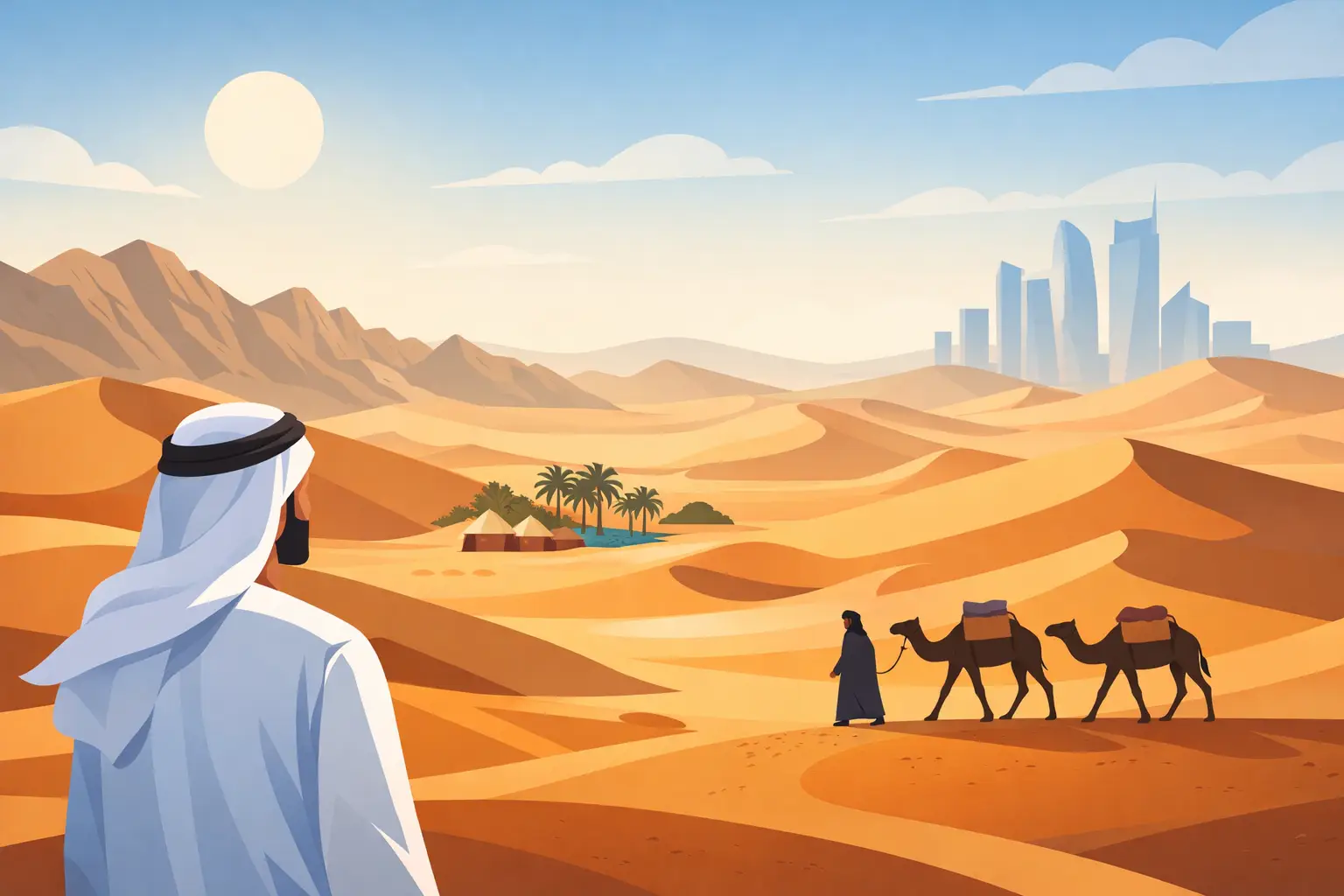
The road south from Abu Dhabi changes slowly, then all at once. City towers give way to open horizons, palms thin out, and the dunes around Liwa begin to rise in magnificent waves of gold and copper. This Rub Al Khali travel guide is for travelers who want more than a quick sand photo – it is for those ready to experience the scale, silence, and pulse-racing adventure of the Empty Quarter with the comfort of a well-planned UAE desert journey.
Rub Al Khali, often called the Empty Quarter, is the largest continuous sand desert on Earth. It stretches across several countries, but Abu Dhabi’s Al Dhafra region and the Liwa Oasis are among the most rewarding ways to experience its dramatic edge. Here, towering dunes, traditional oasis communities, Bedouin heritage, and spectacular sunsets turn a desert outing into a true Arabian escape.
Rub Al Khali Travel Guide: Start With Liwa
For visitors staying in Abu Dhabi, Liwa is the natural gateway to the Rub Al Khali. The oasis sits on the northern edge of the great desert, roughly 2.5 to 3.5 hours by road from central Abu Dhabi, depending on your starting point and itinerary. The drive itself is part of the adventure, moving from the capital’s modern energy toward a quieter landscape shaped by sand and time.
Liwa is not a single town but a chain of villages and green oasis settlements along the desert’s edge. Date palms, forts, and low desert ridges create a striking contrast with the enormous dunes beyond. It is a place where travelers can feel the connection between the UAE’s natural landscape and the traditions that helped communities thrive here for generations.
Many people use “Rub Al Khali” to describe any large desert experience in the UAE. Technically, a Liwa safari explores the northern reaches and surrounding dune fields rather than crossing deep into the central Empty Quarter. That distinction matters. A guided Liwa experience delivers the grandeur visitors come for while keeping the route suitable, safe, and realistic for a day or overnight trip from Abu Dhabi.
Why a Guided Desert Trip Is the Smart Choice
The Rub Al Khali is breathtaking precisely because it is vast and unforgiving. Dunes can look similar from every direction, mobile reception may be unreliable, and soft sand demands confident off-road driving. A self-drive trip is possible for experienced desert drivers with the right vehicles, recovery gear, navigation tools, permits where required, and a companion convoy. For most visitors, it is not the best vacation-day gamble.
A guided 4×4 safari lets you enjoy the thrilling side of the desert without watching tire pressure, route coordinates, or the horizon for a safe exit. Skilled drivers read the dune faces, adjust for changing sand conditions, and choose routes that balance excitement with comfort. You can focus on the views, hold on during the dune bashing, and step out when the landscape calls for photos.
This is especially valuable for families, first-time desert visitors, and couples planning a private experience. Abu Dhabi Desert Safari can organize Liwa-focused excursions with transportation, experienced drivers, and a format suited to your group, whether you want energetic dune action, a slower scenic journey, or a romantic desert evening.
Choose the Right Time of Year
October through April is the most comfortable season for a Rub Al Khali adventure. Days are generally warm and sunny, while evenings can become pleasantly cool enough for a jacket around a campfire. This is the best period for sunset drives, camel experiences, outdoor dinners, and overnight camping under clear skies.
From May through September, the desert heat is intense, particularly around midday. Summer trips can still be enjoyable when planned around early morning or late afternoon, but they require more care with hydration, sun protection, and activity levels. If your dream is to climb dunes, take long photographs in the sand, or relax outdoors after sunset, cooler months offer the easier experience.
Sunrise and late afternoon are the desert’s finest hours in any season. The light softens, shadows carve patterns into the dunes, and the sand shifts from pale gold to orange, red, and deep amber. Midday can be beautiful too, but it is brighter, hotter, and less forgiving for long walks.
Build Your Day Around the Experience You Want
A day trip suits travelers with limited time who still want to see Liwa’s immense dunes and feel the excitement of a 4×4 drive. It can include scenic stops, dune bashing, sandboarding, a camel ride, and time to watch the sun lower over the horizon. This is a strong choice for friend groups and adventure-minded travelers who want a memorable desert chapter without an overnight stay.
An evening desert experience brings more atmosphere. After the drive through the dunes, the pace slows at a Bedouin-style camp, where Arabian refreshments, BBQ dining, henna art, cultural entertainment, and starlit skies create a festive setting. Families often prefer this format because it mixes activity with time to rest, eat, and enjoy the setting together.
For a more immersive escape, choose an overnight desert camp. The Empty Quarter is at its most powerful after the day visitors leave and the dunes become quiet. A night away gives you time for sunset photography, dinner under the stars, and an early morning view before the sun warms the sand. Accommodations and comfort levels vary, so ask whether your package includes private sleeping arrangements, restroom access, bedding, and breakfast.
Couples may prefer a private setup with a quieter dune location and a dinner arranged away from larger camp crowds. It costs more than a shared group safari, but the added privacy can be worthwhile for anniversaries, proposals, or simply a memorable night together.
What to Wear and Bring
Desert style is simple: light, loose clothing for the day and a warm layer for cooler evenings. Closed shoes or secure sandals are more practical than flip-flops when walking on hot or soft sand. Sunglasses, sunscreen, and a hat are essential, even in winter, because the reflected desert light is strong.
Bring a refillable water bottle, though a quality guided trip should provide drinking water. Keep your camera or phone protected from fine sand, and consider a small cloth or pouch for wiping lenses. If you are prone to motion sickness, take precautions before dune bashing. The ride is exhilarating, but the steep climbs and quick descents can feel intense.
For an overnight experience, pack only what you need. A light bag with medication, a change of clothes, toiletries, charging cables, and a warmer layer is usually enough. Large luggage is inconvenient in a 4×4 and unnecessary for a night in the dunes.
Respect the Desert While You Enjoy It
The desert may look endless, but it is a living environment. Keep litter with you or use designated bins, avoid disturbing plants and wildlife, and follow your guide’s instructions around dune edges and protected areas. Do not attempt to climb every high ridge on foot. Sand can shift, and the descent may be steeper than it appears.
Photography is welcome, but remember that desert communities are not a backdrop. Ask before photographing local people, particularly in villages or cultural settings. If your itinerary includes a fort, oasis, or heritage stop, take time to hear the stories behind it. The Rub Al Khali experience becomes richer when adventure and local culture share the same journey.
Make the Most of Your Liwa Desert Safari
A few small choices can transform the day. Sit where your driver recommends for the best comfort during dune bashing. Tell the guide in advance if you have young children, back concerns, pregnancy, or a preference for a gentler drive. Safari routes can often be adapted, while extreme dune bashing is not suitable for everyone.
Do not rush the sunset stop. Put the phone down for a few minutes, listen to the wind move over the dunes, and watch the colors change across the sand. The Empty Quarter has a way of making even a short pause feel expansive.
Book your desert time around the kind of memory you want to bring home: the laughter of a family camel ride, the adrenaline of cresting a giant dune, a private dinner glowing beneath the stars, or the first soft light of sunrise over Liwa. The right Rub Al Khali journey is not about covering the most sand – it is about giving yourself enough time to feel where you are.

